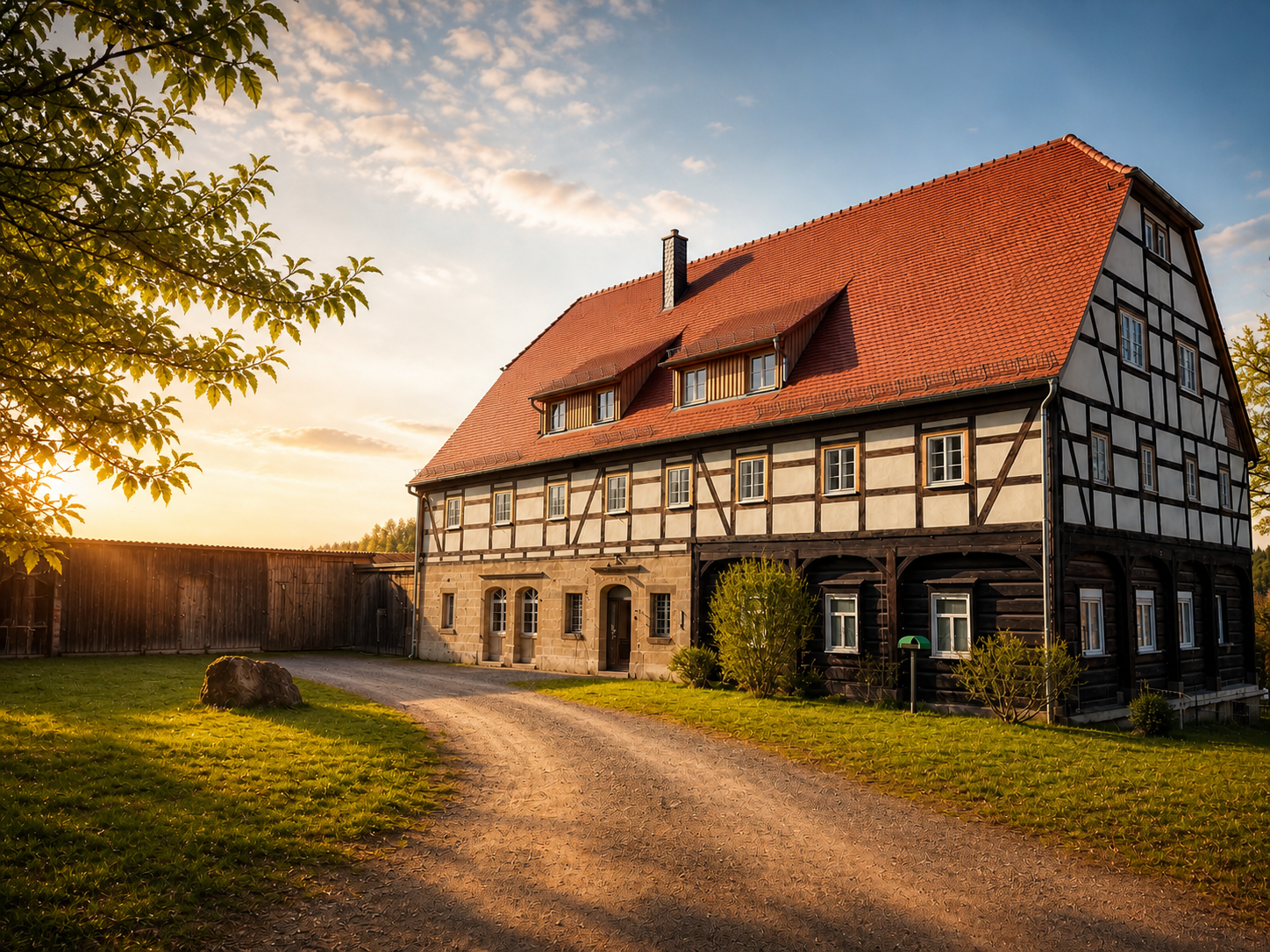
Umgebindehaus in Kleingießhübel

Das Gizobel

A historic house, carefully brought back to life: Gizobel combines the building culture of Sächsische Schweiz with a relaxed place for shared and peaceful days.

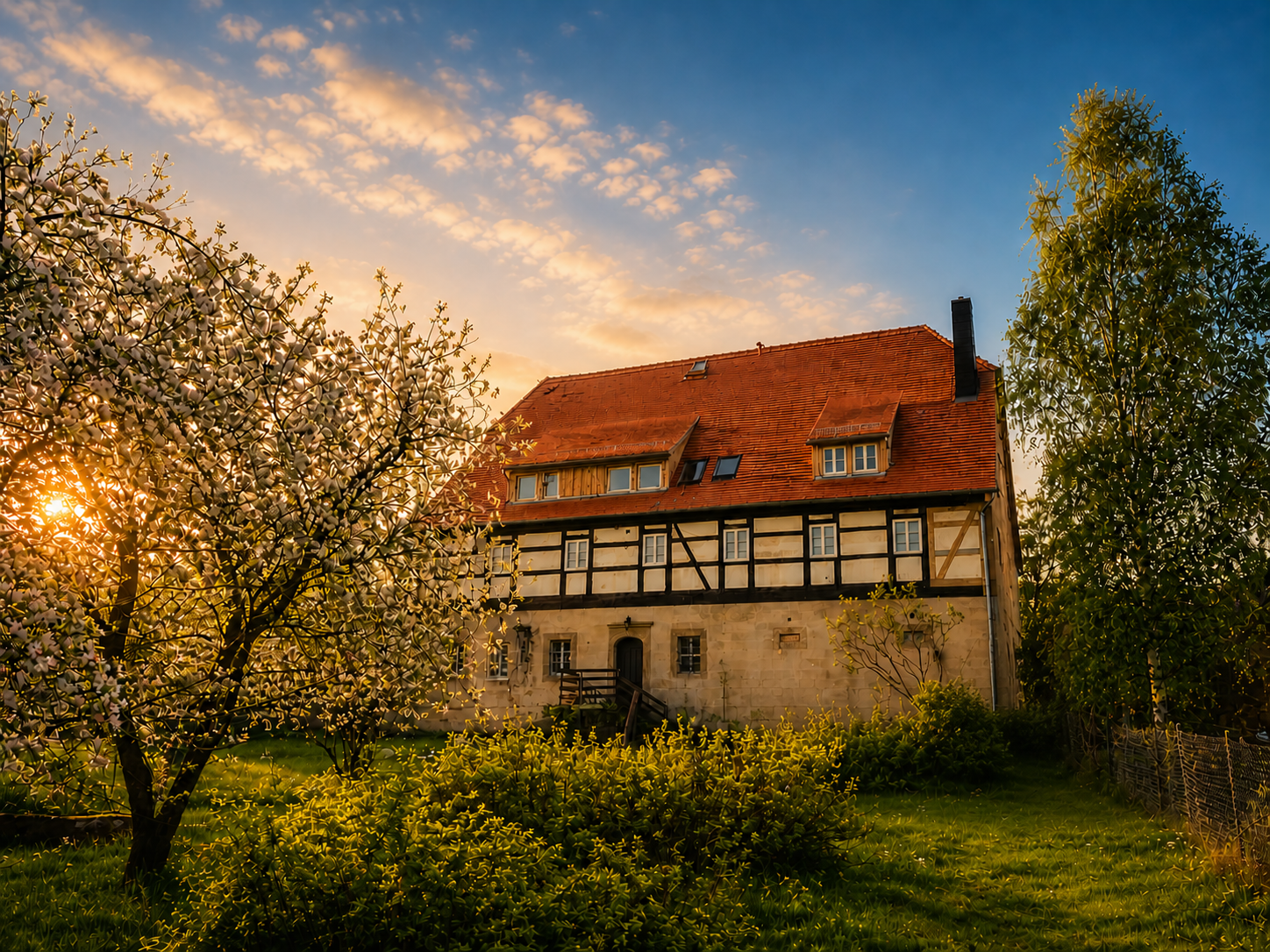
The Kleingießhübel hereditary court, now Umgebindehaus Gizobel

The hereditary court of Kleingießhübel

Today’s Gizobel was for centuries the hereditary court of Kleingießhübel. Such estates emerged in the late Middle Ages, combining agriculture with special rights and responsibility for village administration.

The judicial estate held extensive privileges: it could serve beer and brandy, bake and slaughter, and exercise the lower hunting rights throughout the village. Together with court jurors, the estate holder administered Kleingießhübel; under the 1839 municipal ordinance, these duties gradually passed to elected representatives.

Owners of the judicial estate at today’s Rundweg 1 have been documented since the 16th century. After the residence burned down under the Füssel family, it was rebuilt in 1820. With its parlour, chambers, stables and two attic levels, the building shaped life in the village for a long time.

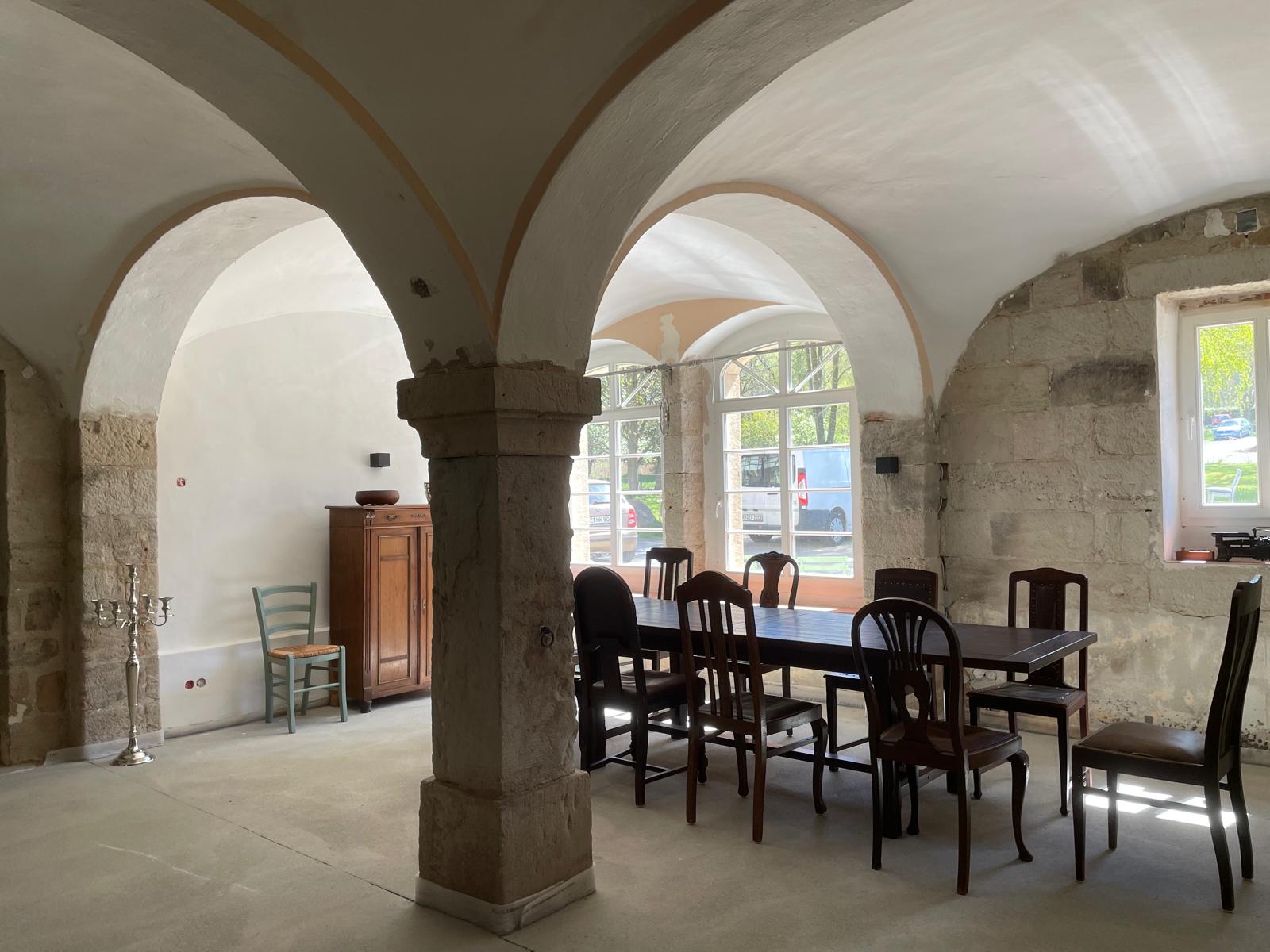
A particularly beautiful trace of this history can still be experienced today: in 1926, the vaulted cowshed in the residence was converted into a hall. Today’s vaulted hall thus connects directly to the building’s former use.

Since 2021, the hereditary court has once again been privately owned. Through careful restoration, Gizobel is becoming a place where the house’s history continues to live on while creating room for new memories.

Based on documentation by Max Stenzel and Werner Kaufmann.

View of Kleingießhübel and the Gizobel Umgebindehaus

House & garden

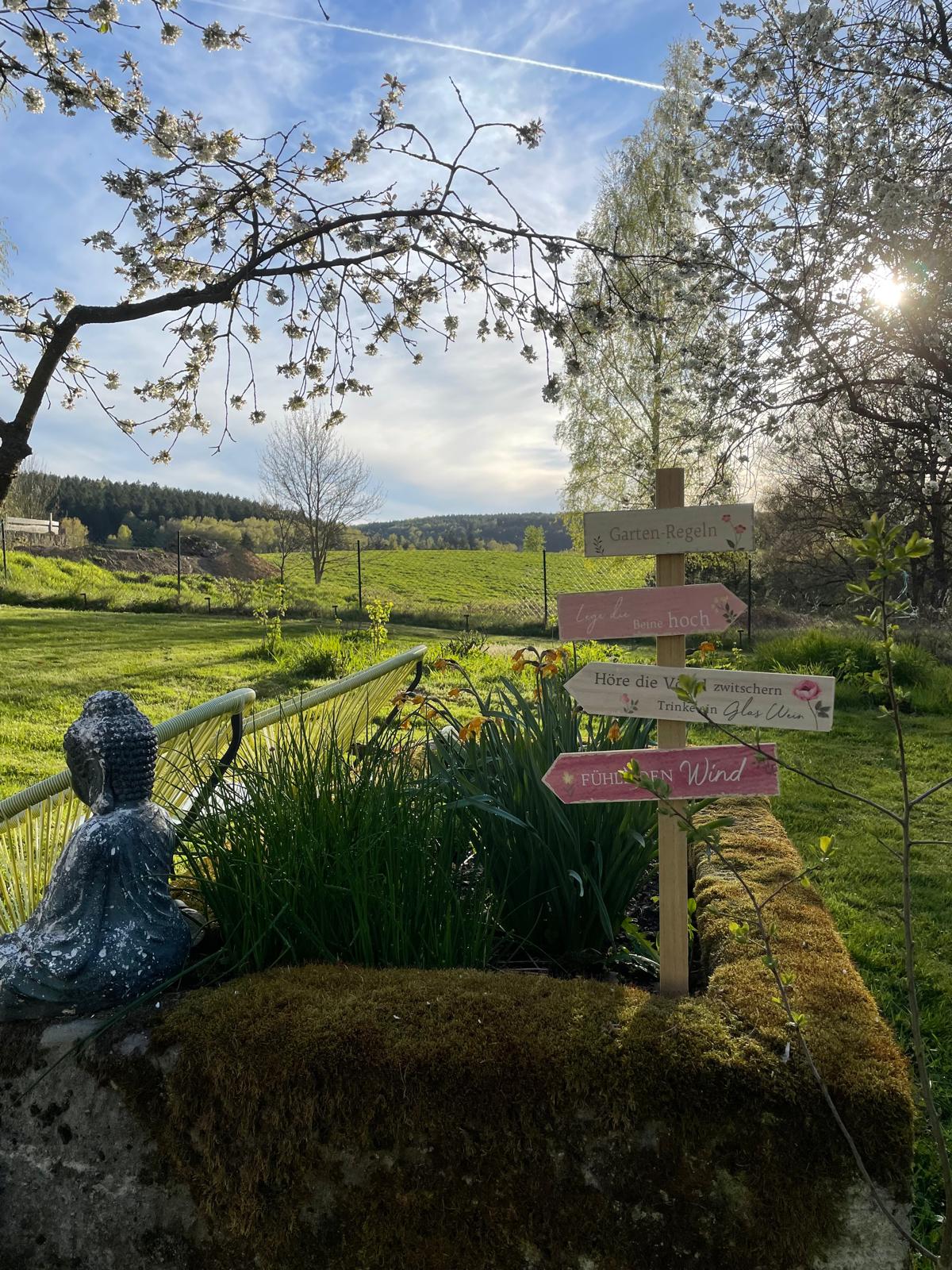
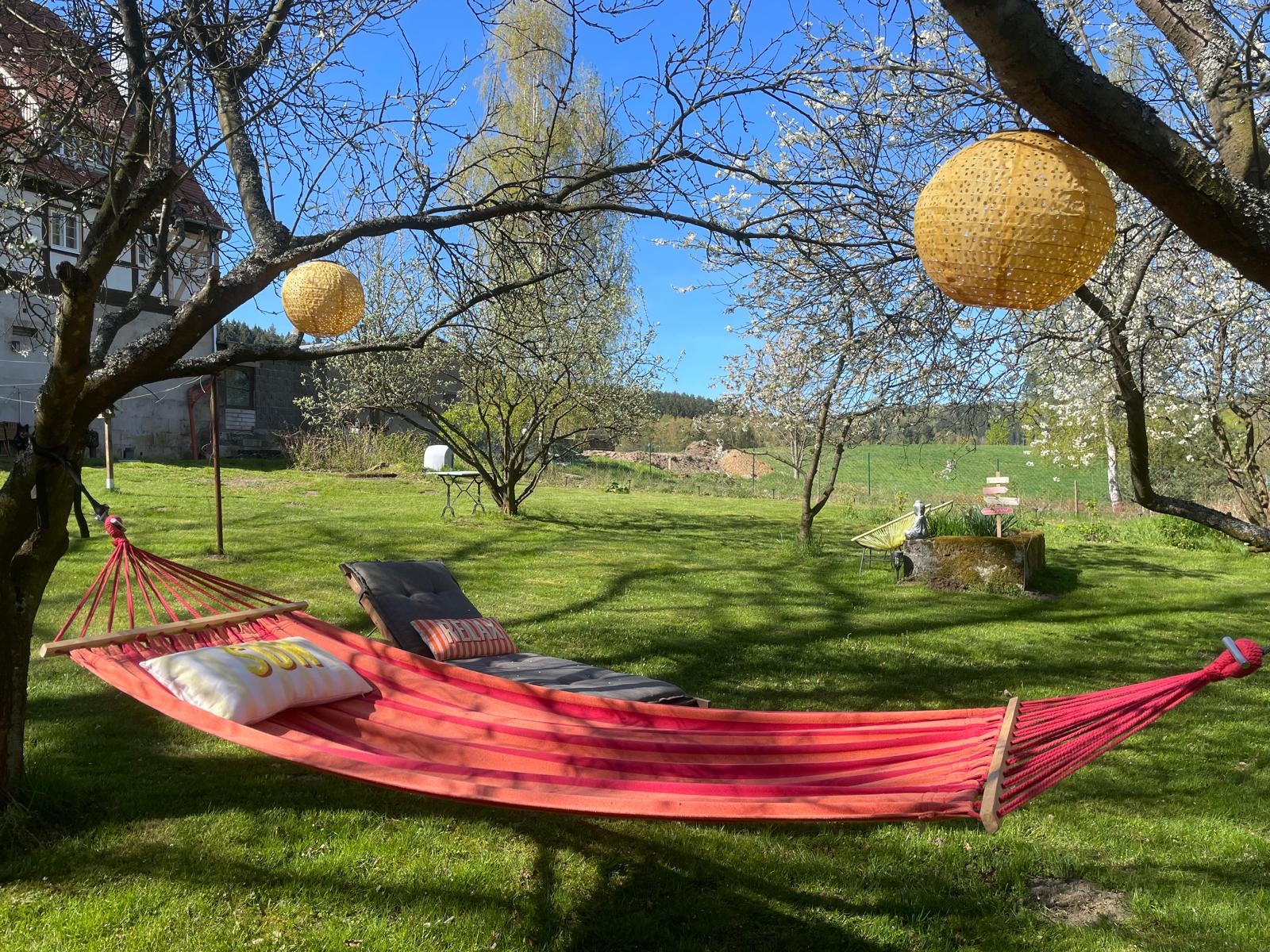
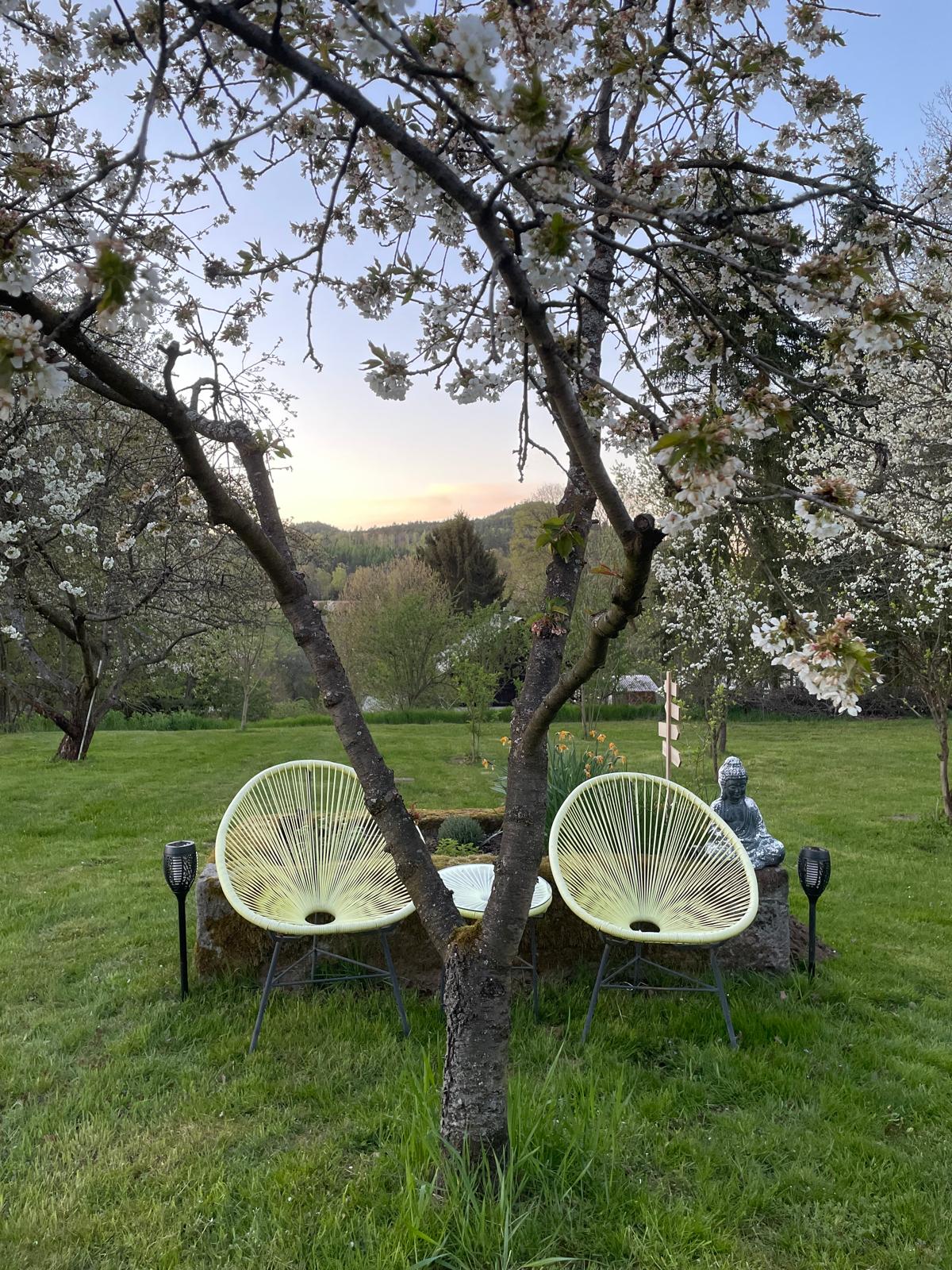
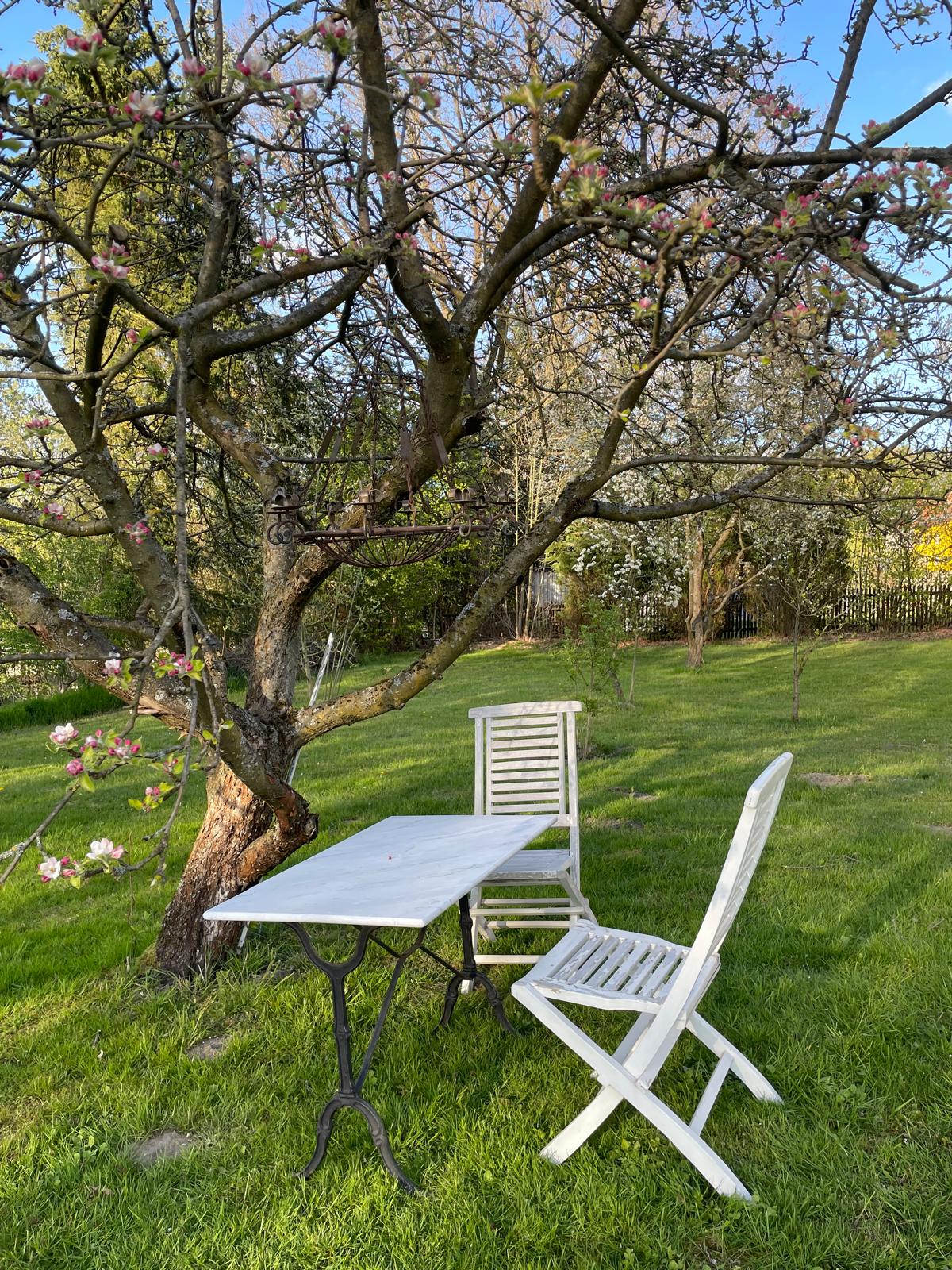
The spacious garden around Gizobel invites you to arrive and take a breath. Beneath old fruit trees, you will find sunny and shady spots for a break surrounded by greenery.

Whether with a book in the hammock, breakfast outdoors or at the end of a day of hiking, the garden is naturally part of your stay.

Historic Umgebindehaus Detail eines historischen Umgebindehauses

The history of Umgebindehäuser

Origins in the Middle Ages

Umgebindehäuser emerged in the 15th and 16th centuries as an ingenious combination of Slavic log construction and the German half-timbered building tradition. Slavic tribes, skilled in building log rooms, first settled in Upper Lusatia. German settlers arrived later and brought half-timbering. The Umgebindehaus developed as a hybrid of both methods.

Unique construction

The characteristic feature of an Umgebindehaus is the separation of the living-room structure from the load-bearing construction. The solid log room is enclosed by a wooden supporting frame, the eponymous “Umgebinde”. It carries the upper floor and roof, preventing their weight from compressing the log room. This unique construction was perfectly suited to the needs of the hand weavers who worked in the region.

Heyday and distribution

Umgebinde houses flourished in the 18th and 19th centuries. Their present distribution extends from Lower Silesia through Upper Lusatia and northern Bohemia to the Elbe Sandstone Mountains. Estimates suggest around 19,000 surviving houses in the “Umgebindeland”, with more than 6,000 in Upper Lusatia alone.

Decline and rediscovery

With the decline of hand weaving and during industrialisation, Umgebindehäuser came to be seen as symbols of backwardness. Many were demolished or heavily altered. Only since the 1980s have they been rediscovered as valuable cultural assets. Today, many are listed buildings and are carefully restored to preserve their unique architecture.

Cultural heritage today

Today, Umgebindehäuser are an important part of the region’s cultural heritage and a popular destination for architecture enthusiasts and tourists. Numerous initiatives are dedicated to preserving these unique buildings. Our Umgebindehaus Gizobel in Kleingießhübel is a living example of this traditional architecture, carefully adapted for today’s needs.

Historic vaulted hall in Umgebindehaus Gizobel

Travel together at Umgebindehaus Gizobel

Be together, keep your own space

Four holiday apartments, a historic vaulted hall and plenty of room for time together. The whole Gizobel is a special place for families, friends and several generations.

Shared breakfasts, a games evening by the fireplace or simply time in the garden: at Gizobel you experience your stay together without giving up your own private space.

Each of the four holiday apartments remains a private area. The vaulted hall adds a special place where the whole group can come together.

4 holiday apartments Up to 17 guests Hall with fireplace & table football

Tell us your preferred dates and the number of guests. We will check the availability of all apartments and get back to you with a suitable offer.

Enquire about the whole house
Your time at Gizobel

Discover our holiday apartments or write to us directly with your preferred dates.